


Eyebrow Waxing: The Key to Professional Success

Eyebrow Waxing The Key to Professional Success

In the world of professional esthetics, eyebrow waxing remains one of the most requested and influential services. 

A well-shaped brow frames the face, enhances natural features, and can completely elevate a client’s overall appearance. For licensed estheticians, mastering eyebrow waxing is not just a basic service — it is a cornerstone of client retention, technical credibility, and long-term business success. 

If performed with precision and professionalism, eyebrow waxing becomes one of the most powerful repeat services in the treatment room. 

The Importance of Brow Design in Professional Eyebrow Waxing

Eyebrow waxing is more than hair removal — it is brow architecture. 

Each client presents a unique combination of: 

  • Bone structure 
  • Muscle movement 
  • Hair growth patterns 
  • Natural asymmetry 
  • Personal style 

Professional brow shaping requires an analytical eye and an understanding of facial mapping techniques, symmetry, and proportion. 

Brows influence expression more than most clients realize. The wrong shape can harden features; the right shape can soften, lift, and balance the entire face. 

Licensed professionals who understand how eyebrow waxing impacts facial harmony consistently deliver flattering, customized results — not template shapes.

Consultation: The Foundation of Excellent Brow Waxing

Successful eyebrow waxing always begins with a thorough consultation. 

Discussing the client’s preferences, lifestyle, and past brow experiences helps: 

  • Manage expectations 
  • Avoid over-removal 
  • Build long-term trust 

Professionals must also assess: 

  • Skin type 
  • Medications 
  • Active skincare products 
  • Contraindications 

When discussing contraindications due to products that thin the skin, this refers to any product applied from the neck up — including retinoids, exfoliating acids, or prescription treatments. 

Clear communication minimizes errors and reinforces professionalism. 

A precise consultation protects both the client’s skin and your reputation. 

Technical Precision & Professional Wax Selection

In eyebrow waxing, precision is everything. 

Proper wax selection should be based on: 

  • Skin sensitivity 
  • Hair texture 
  • Temperature control 
  • Environmental conditions 

Using a wax specifically designed for facial precision is essential. 

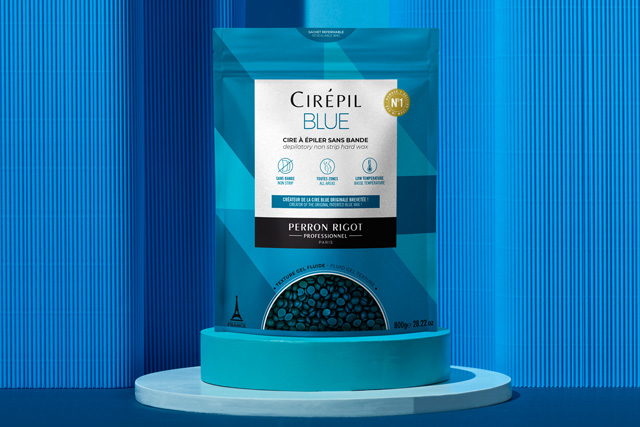
Cirépil Face and Brows Wax by Perron Rigot is formulated for delicate facial areas and allows ultra-thin application for maximum control and accuracy. 

Applying wax too thickly creates stress during removal and leaves excessive tweezing work behind. A thin, controlled application allows you to sculpt with precision and maintain clean lines. 

Temperature control, application direction, and removal technique all directly impact: 

  • Client comfort 
  • Skin integrity 
  • Symmetry 
  • Long-term brow growth patterns 

Equally important is knowing when not to wax. Combining waxing with strategic tweezing or trimming demonstrates advanced skill and prevents over-thinning — one of the most common professional mistakes in brow services. 

Mastery comes from refinement, not removal.

Hygiene, Safety & Professional Standards

For licensed estheticians, sanitation is non-negotiable. 

Professional eyebrow waxing requires: 

  • Proper glove use 
  • Single-use applicators 
  • Clean tools 
  • Disinfection protocols 
  • Post-wax soothing care 

Maintaining strict hygiene standards protects both the client and the professional while reinforcing trust and compliance with state regulations. 

Professional standards are not optional — they are part of your brand.

Client Experience & Retention Through Brow Services

Eyebrow waxing is typically a high-frequency repeat service, making it one of the most powerful retention tools in your treatment room. 

Clients generally return every 3–5 weeks, creating predictable rebooking cycles. 

To strengthen retention: 

  • Maintain consistent shaping 
  • Educate on brow maintenance 
  • Offer aftercare guidance 
  • Suggest complementary services such as tinting or lamination 

A comfortable environment, efficient service, and reliable results turn a simple brow wax into a long-term client relationship. 

Consistency builds loyalty. Loyalty builds revenue. 

Continuing Education & Brow Trend Awareness

Brow trends evolve — from ultra-sculpted arches to fuller, natural shapes — but fundamentals remain constant. 

Licensed professionals who invest in continuing education stay ahead of trends while preserving technical integrity. 

Understanding modern brow aesthetics while respecting facial balance ensures your services remain both current and timeless. 

Refining technique over time is what separates competent professionals from trusted experts. 

Quick Summary: Why Eyebrow Waxing Matters

Professional eyebrow waxing: 

  • Frames and enhances facial features 
  • Builds repeat clientele 
  • Strengthens professional credibility 
  • Increases retention and revenue 
  • Demonstrates technical mastery 

When paired with the right technique and professional wax — such as Cirépil Face and Browa Wax — brow waxing becomes a high-precision, high-value service. 

Frequently Asked Questions About Eyebrow Waxing

Why is eyebrow waxing important for estheticians?

Eyebrow waxing is one of the most requested services in professional esthetics. It builds repeat clientele, improves retention, and showcases technical precision. 

A wax designed specifically for delicate facial areas is essential. Professional facial waxes like Cirépil Face and Brows Wax allow thin application and precise shaping while protecting sensitive skin. 

Most clients return every 3–5 weeks, making brow waxing a consistent and predictable service for estheticians. 

Conclusion: Eyebrow Waxing Shapes More Than Brows

Eyebrow waxing combines artistry, technical skill, consultation expertise, and product knowledge into one defining service. 

For licensed professionals, mastering eyebrow waxing is not just about shaping hair. 

It is about shaping trust, confidence, and a thriving esthetics career. 

With precision technique and professional-grade products like Cirépil Face and Brows Wax, brow waxing becomes more than a service — it becomes a signature. 

What Can You Do with an Esthetician License? Career Paths & Waxing Opportunities

What Can You Do with an Esthetician License

When you first enrolled in esthetics school, you likely imagined performing facials, perfecting brows, or delivering visible skin transformations.

But once you’re licensed and working in the field, something becomes clear:

An esthetician license is not just a treatment credential — it’s a professional foundation that opens multiple career paths.

If you’re wondering what you can do with an esthetician license, the answer goes far beyond basic spa services. Licensed estheticians can specialize in waxing, open independent studios, work in medical environments (with additional training), become educators, or move into brand and product roles.

Whether you are newly licensed or considering your next step, here’s what your esthetician license truly allows you to build.

1. Working in a Spa or Salon Setting

Many estheticians begin their careers in traditional spa or salon environments. This setting allows you to refine technical skills, improve efficiency, and develop client communication confidence.

Within these environments, waxing quickly becomes one of the most strategic services you can offer.

Compared to longer treatments, waxing allows you to:

  • Increase appointment volume

  • Build repeat clientele on a 4–6 week cycle

  • Improve service speed and daily revenue

  • Develop strong retention habits

For many professionals, waxing becomes the service that stabilizes income early in their career.

When performed with proper consultation and technique, waxing builds long-term client trust — and trust builds consistent bookings.

2. Becoming a Waxing Specialist

One of the most profitable esthetician career paths is specialization.

A waxing specialist career offers unique advantages:

  • Low service overhead

  • Short appointment times

  • High client return frequency

  • Strong referral potential

Advanced skills such as Brazilian waxing or speed waxing place you in one of the most in-demand niches in the industry.

Many waxing specialists:

  • Maintain fully booked schedules

  • Work in high-volume waxing studios

  • Open waxing-only treatment spaces

  • Build strong word-of-mouth reputations

Waxing is widely recognized as one of the most profitable esthetic services due to its combination of low consumable cost and consistent rebooking cycles.

Specialization creates authority — and authority increases earning potential.

3. Exploring Medical or Corrective Esthetics

For estheticians drawn to advanced skin health, medical esthetics is another potential path.

With additional certifications and depending on state regulations, licensed professionals may work in med spas or alongside dermatologists providing:

  • Chemical exfoliation services

  • Pre- and post-procedure skincare

  • Acne-focused protocols

  • Pigmentation management

Even in medical settings, waxing knowledge remains relevant. Clients using active ingredients require proper consultation and contraindication awareness.

A strong foundation in consultation — particularly for waxing services — becomes an essential professional skill.

4. Opening Your Own Studio or Waxing Business

Many licensed estheticians eventually pursue entrepreneurship.

With an esthetician license, you may open:

  • A private studio

  • A boutique spa

  • A mobile treatment business

  • A waxing-focused salon

Waxing often becomes the anchor service in solo businesses because of its profitability, speed, and predictable cash flow.

A waxing-centered business model allows for:

  • Stable recurring income

  • Manageable operational costs

  • Clear service positioning

  • Scalability through staff or expanded services

However, technical skill alone is not enough. Success requires pricing strategy, retention systems, professional standards, and continued education.

Your license provides the qualification — your business strategy determines your growth.

5. Becoming an Educator or Brand Trainer

Experienced estheticians may transition into education.

Licensed professionals with strong waxing technique are often sought after by:

  • Professional wax brands

  • Beauty distributors

  • Esthetics schools

  • Independent training programs

Education allows you to extend your impact beyond the treatment room while sharing proven technique and consultation standards.

Your license establishes professional credibility. Your results establish authority.

6. Moving Into Sales, Product Development, or Brand Work

An esthetician license also provides opportunities beyond hands-on services.

Professionals with waxing experience bring valuable insight into:

  • Professional product sales

  • Brand education and field training

  • Product development support

  • Industry consulting

Brands value estheticians who understand real treatment room challenges — from client sensitivity to ingrown prevention and retention cycles.

Your practical experience becomes your expertise.

7. Leveraging Social Media Professionally

Many licensed estheticians use social media to strengthen their professional visibility.

By sharing:

  • Educational waxing content

  • Consultation best practices

  • Post-wax care guidance

  • Business insights

You position yourself as a knowledgeable professional within your community.

Strategic content creation can support client acquisition, retail sales, and long-term authority in your niche.

Quick Summary: What Can You Do with an Esthetician License?

With a valid esthetician license, you can:

  • Work in spas or salons

  • Become a waxing specialist

  • Open your own studio

  • Move into medical esthetics (with additional certification)

  • Become a brand educator or trainer

  • Transition into sales or product roles

  • Build professional visibility through digital platforms

An esthetician license is not a limitation — it is a versatile professional credential.

Frequently Asked Questions About Esthetician Licenses

What jobs can you get with an esthetician license?

Licensed estheticians can work in spas, salons, waxing studios, med spas (with additional training), open independent businesses, become educators, or move into brand and sales roles.

Waxing is considered one of the most profitable esthetic services due to low overhead, short appointment times, and strong client retention cycles.

In most states, yes — provided you comply with local licensing and business regulations. Many estheticians build successful waxing-focused studios because of high demand and consistent rebooking patterns.

8 Common Esthetician Mistakes (And How to Avoid Them Like a Pro) 

Estheticians waxing mistakes and how to avoid them

Even the most talented estheticians don’t lose clients because of poor technique. 

They lose them because of small habitsoverlooked consultations, inconsistent retail recommendations, burnout, or a lack of continued education — that slowly impact results and client trust. 

In today’s competitive beauty industry, technical skill is only the baseline. To grow your clientele, increase retention, and elevate your reputation, you must refine both your craft and your business approach. 

Here are the most common esthetician mistakes — and how to avoid them like a true professional. 

1. Skipping or Rushing Consultations (Especially for Waxing)

The Mistake 

Assuming repeat clients “just want the usual” and skipping a proper consultation. 

Why It Matters 

Skin changes constantly due to hormones, stress, seasonal shifts, and new skincare products. Medications like retinoids, antibiotics, or acne treatments can make waxing contraindicated. 

Skipping a proper waxing consultation increases the risk of: 

  • Skin lifting 
  • Irritation 
  • Unsatisfactory results 
  • Loss of client trust 

The Professional Fix 

Treat every appointment as a new assessment. Review intake forms, ask targeted questions, and perform a quick skin analysis — even with long-time clients. 

Professional waxing starts with professional consultation. 

2. Lacking Deep Product & Ingredient Knowledge

The Mistake

Using professional products without fully understanding ingredients, contraindications, or correct application techniques.

Why It Happens 

Relying solely on initial schooling or assuming all brands perform the same way. 

The Professional Fix 

Commit to continuing education for estheticians. Study ingredients. Understand formulations. Learn proper application protocols. 

When you confidently explain why you’re using a specific wax or treatment product, you build authority — and authority builds loyalty. 

Clients don’t just want results. 
They want expertise. 

3. Ignoring Ergonomics in the Treatment Room

The Mistake 

Working hunched over, twisting awkwardly, or positioning yourself improperly during waxing services. 

Why It’s Dangerous 

Esthetician burnout isn’t just mental — it’s physical. Chronic back pain, wrist strain, and shoulder tension are among the top career-ending risks in esthetics. 

The Professional Fix 

Protect your body like your business depends on it — because it does. 

  • Adjust your table height properly 
  • Invest in an ergonomic stool 
  • Position yourself, not just the client 
  • Stretch between appointments 

Longevity in this industry requires physical strategy.

4. Undercharging and Undervaluing Your Services

The Mistake 

Underpricing out of fear clients won’t book — or frequently discounting services. 

Why It Hurts Your Business 

Low pricing often attracts price shoppers instead of loyal, high-retention clients. It also leads to overbooking and burnout. 

The Professional Fix 

Understand your numbers. Calculate product cost, time, overhead, and profit margins. Research your market positioning. 

Professional waxing is a skilled service — and clients are willing to pay for quality, safety, and consistency. 

Confidence in pricing reflects confidence in expertise. 

5. Skipping Aftercare & Retail Education

The Mistake 

Sending clients home without proper post-wax care instructions or retail recommendations. 

Why It Impacts Retention 

Home care directly affects results. Without proper post-wax products, clients may experience ingrowns, irritation, or shortened results — and blame the service. 

The Professional Fix 

Reframe retail as client education. 

You’re not selling. 
You’re supporting their waxing journey. 

Explain: 

  • What you used during treatment 
  • Why it works 
  • How home care prolongs and enhances results

Professional guidance increases rebooking rates and client trust. 

6. Poor Documentation & Consent Practices

The Mistake 

Relying on verbal consent or failing to update client records. 

Why It’s Risky 

Legal protection and professional standards require proper documentation — especially for waxing, chemical exfoliation, or advanced treatments. 

The Professional Fix 

Maintain organized digital or paper records. Update waivers regularly. Document services clearly. 

Protect your license. Protect your reputation. 

7. Overbooking and Esthetician Burnout

The Mistake 

Saying yes to every client and skipping breaks to maximize income. 

Why It Backfires 

Exhaustion reduces service quality, client experience, and long-term career sustainability.

The Professional Fix 

Schedule buffer time between appointments. Eat. Hydrate. Block days off. 

A fully booked schedule means nothing if your quality declines. 

Successful estheticians build sustainable businesses — not survival schedules.

8. Forgetting the Emotional Experience

The Mistake 

Delivering technically correct services without creating connection. 

Why It Matters 

Clients return for results — but they stay for how you make them feel. 

The Professional Fix 

Elevate the sensory and emotional experience: 

  • Warm towels 
  • Intentional touch 
  • Calm communication 
  • Active listening 

Professional waxing is both technical and relational. 

Memorable experiences build loyal clients. 

Elevate Your Practice Through Education

The difference between a good esthetician and a sought-after expert isn’t talent — it’s intentional growth. 

Refining your consultation process, improving your waxing technique, understanding product formulations, and protecting your physical longevity are what separate professionals from hobbyists. 

If you’re ready to: 

  • Improve your waxing results 
  • Increase client retention 
  • Strengthen your expertise 
  • Build a sustainable esthetics career 

Explore our professional education resources and discover tools designed specifically for serious estheticians. 

Your clients deserve expertise. 
And so do you. 

Essential Tips for After Wax Care

ESSCENTIAL TIPS FOR AFTER WAXING

After wax care is the routine you follow to protect freshly waxed skin: cleanse gently, apply a soothing lotion or aloe vera, wear loose clothing, and avoid heat, sun, or harsh products for 24–48 hours. These steps reduce redness, prevent irritation and ingrown hairs, and keep skin smooth and healthy.

Why is after wax care important?

Proper after wax care ensures faster recovery, minimizes discomfort, and prevents irritation or ingrown hairs. Always follow the post-waxing advice from your esthetician, and consult them if you experience prolonged or severe reactions.

What should you expect after waxing?

After a professional waxing session, you can expect some common reactions and sensations. Here’s what you might experience:

Redness: It’s normal for the waxed area to have some redness or irritation immediately after waxing. This usually subsides within a few hours to a day.

Sensitivity: The skin may feel more sensitive than usual, especially if it’s your first time waxing or if you’ve waxed a particularly sensitive area. Warmth or a tingly sensation to the skin is normal.

Slight swelling: Some minor swelling or even bumps can occur, but they should go down quickly. This is a normal histamine reaction. A hypoallergenic wax or wax for sensitive skin will help to minimize this reaction due to the lack of beeswax and rosin. Cirépil Boudoir or Cachemire are great options.

Smooth skin: You’ll notice that the waxed area is smooth and hair-free and will remain this way for weeks.

Hair regrowth: Depending on your hair growth cycle, you may start to see hair regrowth in about 3-6 weeks. After 3 consecutive waxing services, the full benefit of waxing will occur: less hair, softer finer hair, and longer duration with no regrowth.

Do’s for After Wax Care

Wear loose clothing: Prevent friction and irritation by choosing soft, loose-fitting clothes.

Exfoliate gently: After 2–3 days, start exfoliating with a gentle scrub or soft brush to prevent ingrown hairs.

Soothe with aloe vera: Apply aloe vera gel to calm redness and reduce inflammation.

Use post-waxing home care products: Apply an ingrown hair treatment with salicylic acid to keep skin clear and smooth. Always follow the manufacturer’s directions.

Don’ts for After Wax Care

Avoid heat and steam: Skip hot showers, steam rooms, or hot tubs for at least 24 hours, as they may irritate freshly waxed skin.

No sun exposure: Stay out of direct sunlight and tanning beds for 24–48 hours since the skin is extra sensitive to UV rays.

Don’t touch the waxed area: Touching can introduce bacteria and cause breakouts or infection.

Avoid harsh products: Stay away from strong soaps, perfumes, or exfoliants that could irritate the skin.

How can you keep your skin smooth after waxing?

By consistently following these after wax care tips, and by using targeted products like Cirépil Refreshing Gel to calm and refresh the skin, or Cirépil Double Gommage to gently exfoliate and prevent ingrown hairs, you’ll maintain soft, irritation-free skin and enjoy the long-lasting benefits of professional waxing.

CIREPIL DOUBLE GOMMAGE
CIRÉPIL DOUBLE GOMMAGE
CIREPIL REFRESHING GEL
CIRÉPIL REFRESHING GEL

Waxing & Ingrown Hairs: Expert Tips for Smooth, Bump-Free Skin 

🎙️ Featured Episode: “Waxing and Ingrown Hairs” with Chicago’s 1st Male Esthetician, Julio Mendez,

Ingrown hairs are one of the most frequent post-waxing concerns estheticians hear about from clients. But do waxing treatments actually cause them? Not necessarily. The truth lies in the technique used, the client’s hair type, and most importantly, the aftercare routine. In this guide, we break down:

  • What causes ingrown hairs 
  • Why they appear after waxing 
  • How to prevent and treat them effectively 

What Are Ingrown Hairs?

Ingrown hairs happen when hair grows back into the skin rather than exiting through the follicle. This causes inflammation, redness, bumps, and sometimes infection or pustules. They can resemble acne or folliculitis and often occur in high-friction areas like the bikini line, underarms, or face. 

Why Do Ingrown Hairs Form?

Several factors can lead to ingrown hairs: 

  • Hair Type: Coarse or curly hair is more likely to curl back into the skin. 
  • Dead Skin Cells: Buildup can block follicles and force hair sideways. 
  • Improper Hair Removal: Incorrect shaving, tweezing, or waxing techniques can cause hair to break and regrow under the skin. 
  • Friction: Tight clothing can irritate the skin and increase the risk of ingrowns. 
  • Skin Inflammation: Bacterial reactions can create barriers that trap hairs 

Ingrown Hairs & Waxing: What’s the Connection?

Many clients wrongly believe that waxing causes ingrown hairs. In reality, the technique and aftercare are what matter. 

Can Waxing Cause Ingrown Hairs?

Yes—but typically only when: 

  • Hair is broken (not pulled from the root) due to poor technique or low-quality wax. 
  • Post-wax care is skipped—no exfoliation or hydration. 

But…Waxing Can Also Prevent Them

When performed correctly, waxing removes hair entirely from the root. This delays regrowth, promotes natural skin exfoliation, and leads to finer, thinner hair over time—making it less likely to grow back into the skin.

🎓 2 DAY WAXING BOOTCAMP BOOTCAMP

Master the art of waxing with hands-on training, expert ingrown hair solutions, and smart aftercare protocols. Empower your clients. Elevate your results.

🖐️

Hands-On Technique

🔍

Ingrown Hair Focus

🧴

Aftercare Protocols

Discover Our Training Programs

How to Prevent Ingrown Hairs After Waxing?

A solid pre- and post-waxing routine is essential. 

As professionals, we can help our clients by offering a plan for ingrown hair prevention that includes pre- and post-waxing care. 

Before Waxing

  • Exfoliate 24–48 hours prior: Use a gentle gommage like Cirépil Double Gommage to clear dead cells and prep the skin. 
  • Hydrate: Moisturized skin allows for smoother hair removal. 
CIREPIL DOUBLE GOMMAGE

During Waxing

  • Use proper technique: Apply wax in the direction of hair growth, remove it in the opposite direction, staying close to the skin. 
  • Maintain hygiene: Clean tools and skin to avoid post-wax infections. 

After Waxing

  • Soothe the skin: Apply an antibacterial or anti-inflammatory lotion. 
  • Home care routine for your client: 
  • Wait 24–48 hours before exfoliating again. 
  • Exfoliate 2–3 times per week using chemical exfoliants (like salicylic or glycolic acid). 
  • Apply lightweight moisturizers daily. 
  • Avoid tight clothes for 48 hours post-wax. 

When To Refer Out ?

If a client presents with: Persistent, painful, or cystic ingrown hairs Signs of infection (pus, excessive swelling, fever) ...it's important to refer them to a doctor for a medical evaluation.

Best Products to Prevent Ingrown Hairs

  • Exfoliants: Cirépil Gommage, salicylic acid or glycolic acid-based scrubs 
  • Soothing creams: Antibacterial and anti-inflammatory formulas 
  • Hydrators: Lightweight, non-comedogenic moisturizers 
  • Post-wax care: Serums specifically formulated for ingrown hair prevention 

Frequently Asked Questions

How do you get rid of ingrown hairs after waxing?

Exfoliate 2–3 times weekly with a chemical exfoliant, apply a soothing antibacterial cream, and avoid picking. Keep skin hydrated. 

Yes—especially the first time. With good technique and regular home care, they become much less frequent. 

No. Waxing typically results in fewer ingrown hairs because it removes hair from the root, while shaving cuts hair at the surface—leading to more curl-back. 

Wait 24–48 hours to avoid irritation. Start gently and gradually increase frequency. 

Chemical exfoliants (salicylic/glycolic acid), post-wax serums, and daily hydration with light lotions.

To conclude, 

Ingrown hairs don’t have to be an inevitable part of waxing. With the right technique, consistent aftercare, and client education, you can help promote smoother skin and long-term hair removal success.

✨ As estheticians, empowering clients with knowledge is as valuable as the service itself.

Esthetician Business Success: The Ultimate Guide to Running a Profitable Studio

Esthetician Business Success

🎙️ Featured: “The Business Side of Esthetics” – A Podcast with PBA’s Leslie Perry & Hands-On Bootcamp Classes

Being a skilled esthetician is only half the equation—turning that skill into a thriving esthetician business is where the real challenge begins. From defining your niche and attracting loyal clients to managing finances, staying compliant, and building efficient systems, success requires more than passion. It takes strategy, structure, and business savvy. This guide breaks down the essential steps every licensed esthetician needs to confidently build and grow a profitable, professional studio.

1. Define Your Esthetician Business Vision

Before you invest in the décor and create your vibe, or even schedule your first client, define:

  • Niche or Specialty: Are you focused on acne, anti-aging, brows, waxing, or holistic skincare?
  • Target Market: Who are your ideal clients? Teens, busy professionals, men, brides?
  • Service Menu: Start with your best offerings, then build out thoughtfully. Don’t try to do everything at once.

Expert Move

A well-defined niche helps with marketing, pricing, and referrals. Clients trust specialists more than generalists.

2. Get Legal: Licenses, Permits & Insurance

Too many estheticians “wing it” when launching their studio—and end up tangled in legal, tax, or insurance messes that cost thousands.

Here’s what to lock down early:

  • Register Your Business (LLC, Sole Proprietor, etc.)
  • Get a Business License (City or county-level)
  • Apply for a Seller’s Permit (If you sell retail products)
  • Carry Liability Insurance (General & professional liability are a must)

Comply with State Board Requirements for sanitation, signage, and workspace setup

Common Mistake

Skipping this step to “save time” creates delays when trying to open merchant accounts, rent a suite, or work with distributors.

Hire a business attorney or consultant for setup if you’re unsure how to get your structure right from the beginning.

3. Set Up Smart Systems for Daily Operations and a Sustainable Esthetician Business

💬 “I had a fully booked week… and still made no money. Once I tracked my services, product usage, and cancellations, I realized I was losing revenue daily.”
Trina,
solo waxer

A solo esthetics practice runs best with reliable systems in place. This will help you stay organized, provide better service, and build a professional reputation.

Booking & Scheduling

  • Online booking software (like Vagaro, Gloss Genius, or Square Appointments)
  • Waitlist management, reminders, pre-visit forms, and client notes are essential.
  • Text campaigns 

Client Management

  • CRM (Client Relationship Management) for tracking visits, preferences, and skin progress
  • Before-and-after photos stored securely

Payments & Sales

  • Accept cards, Apple Pay, gift cards, etc.
  • Set up clear refund/cancellation policies in writing

Reporting & Inventory

  • Track service sales, product sales, retention rates, and expenses
  • Use inventory software to manage retail

4. Attract Clients with Marketing That Feels Authentic

You don’t need a massive budget—but you do need consistency.

Essentials for visibility:

  • Branding: Define your tone, fonts, colors, and voice. Be recognizable.
  • Website: Must include service list, online booking, reviews, and skincare philosophy.
  • Social Media: Instagram and TikTok are goldmines for estheticians – focus on transformations, skincare tips, and client education to make the most of them.
  • Email Marketing: Share monthly updates, promos, and reminders
  • Referral Program: Reward loyal clients who bring in new business

Focus on education and transformation. Before-and-after photos and skincare tips are more valuable than constant promotions.

Branded Instagram content highlighting esthetician business mindset and professional growth
@cirepil_wax_usa

Expert Move

A well-defined niche helps with marketing, pricing, and referrals. Clients trust specialists more than generalists.

5. Build Your Professional Support Team

You’re the face of your business—but you don’t have to do it alone: 

  • CPA or Bookkeeper: Manage taxes, income, and budgeting
  • Business Attorney: Draft contracts, waivers and, lease agreements
  • Mentor or Coach: Learn from someone who’s grown their own studio
  • Professional Beauty Association (PBA): Offers support, networking, education—and even health insurance!
  • Professional Distributor or Rep: For wholesale skincare lines and product training
  • IT Help: Ensure your booking and website systems run smooth
Esthetician business podcast "The Business Within the Beauty Business" — featuring expert tips and industry insights for beauty professionals.
🎧 Tune into our podcast episode with Leslie Perry to learn how PBA support esthetician businesses like yours!

6. Studio Setup That Saves Time & Wows Clients

As an esthetician, your studio is more than just a treatment space—it’s a reflection of your brand and your professionalism.

Essentials for a High-Performing Esthetician Studio:

  • Massage/Facial Table: Adjustable, ergonomic, and positioned for efficient movement.
  • Tools & Backbar: Every tool should have a designated spot. Keep your go-to products within arm’s reach.
  • Retail Display: Highlight your top sellers—think skin care lines you use in services—to boost retail revenue.
  • Sanitation Station: Non-negotiable. Ensure it’s OSHA and state board compliant.

Atmosphere = Client Retention: Lighting, calming music, and subtle aromatherapy make clients feel safe and pampered.

Esthetician Tip

Map your service flow. From intake forms to payment, remove friction points. The smoother your workflow, the more clients you can book—and the better the experience.

7. Pricing & Money Management for Estheticians

You’re not “just doing facials.” You’re transforming skin, building confidence, and solving real problems. Price accordingly.

How to Price Like a Pro?

  • Know Your Service Costs: Include product usage, time, rent, insurance, booking software, laundry, and taxes.
  • Value-Based Pricing: Clients pay for the transformation, not the hour. Position your services by results.
  • Reinvest Smartly: Allocate income for education, high-performing equipment, marketing campaigns, and savings.

Smart Growth Strategy: Offer treatment packages, memberships, or skin care subscriptions. These create recurring revenue and client loyalty.

8. Education Is Your Edge

The beauty industry evolves fast. If you’re not learning, you’re falling behind.

  • Take advanced, hands-on waxing classes (waxing speed techniques, acne protocols, chemical peels, LED, dermaplaning).
  • Stay compliant with state board requirements—especially if you add new modalities.
  • Join pro associations like PBA for resources, networking, and support.

Your business is only as strong as your skills. Keep learning, refining, and investing in yourself.

Esthetician Business Success The Ultimate Guide to Running a Profitable Studio

To conclude,

Running your own esthetics studio is one of the most empowering ways to take control of your career. You choose your schedule, your clients, your treatments—and you finally get to shape the experience you believe in.

But let’s be real: passion isn’t enough.

To build a successful esthetician business, you need more than great hands and glowing reviews. You need systems that streamline your workflow, pricing that reflects your value, and a strategy that supports sustainable growth. When you start treating your business with the same care and precision you give your clients’ skin—everything changes.Confidence grows. Revenue increases. Clients come back.

Brazilian Wax While Pregnant – A Safe, Professional Guide for Estheticians

Can you get a Brazilian wax while pregnant? This is a common concern among expecting mothers and a key question every esthetician should be ready to answer. During pregnancy, hormonal changes can increase skin sensitivity, raising doubts about whether waxing — especially in intimate zones — is safe or comfortable. In this guide, we explore everything estheticians need to know about performing a Brazilian wax while pregnant: safety guidelines, proper techniques, and how to ensure a soothing experience for your prenatal clients.

Is Brazilian Waxing Safe During Pregnancy?

Yes — with the right care and technique. Many expecting mothers still want to maintain their personal grooming routine, including intimate waxing. While pregnancy introduces hormonal and physical changes that can impact the skin, a Brazilian wax while pregnant is generally safe when performed by a trained and empathetic esthetician.

As professionals, we often become a trusted confidant — sometimes learning about a client’s pregnancy before their partner or family does. It’s our responsibility to provide a secure, supportive environment where clients feel heard and cared for. Let’s look at how to deliver a safe, comfortable waxing experience throughout pregnancy.

Step 1: Perform a Thorough Consultation

Start with open, empathetic communication. Before any service, ask the client about:

  • Health issues or medical advice from their provider

  • Areas of discomfort or skin concerns (e.g., varicose veins, melasma, stretch marks)

  • Previous waxing reactions

Pregnancy can heighten skin sensitivity and change a client’s tolerance to pain. Tailor your approach based on her feedback and comfort level.

Expert Move

If you feel unsure, don’t hesitate to request a doctor’s note — especially for Brazilian or full bikini waxing.

Step 2: Choose the Right Wax for Pregnancy-Sensitive Skin

Hormonal shifts during pregnancy can make the skin more reactive. For intimate waxing:

  • Use a stripless hard wax designed for sensitive areas like the bikini line.

  • Avoid formulas with artificial fragrances, dyes, or harsh chemicals.

  • Ensure the wax temperature is safe — never too hot.

Recommended: Cirepil Cristalline by Perron Rigot
✓ Unscented
✓ Gluten-free
✓ Vegan
✓ Cruelty-free & Paraben-free

This type of wax minimizes irritation while delivering effective results.

Cirépil’s Gentle Touch: Waxes for Sensitive Skin

Step 3: Check for Contraindications

Before beginning a Brazilian wax during pregnancy, evaluate the skin’s condition:

  • Look for melasma, varicose veins, or stretch marks

  • Perform a patch test to check for potential irritation

  • Avoid any area that feels inflamed or overly sensitive

These precautions ensure the client’s skin reacts positively to the service.

Step 4: Positioning Is Everything

Comfort is key — especially in the second and third trimesters.

  • Use cushions and bolsters to support the back and belly

  • Elevate the head above the heart

  • Avoid lying the client flat on her back for long periods

  • For Brazilian waxes, have her lie on her side instead of the stomach

Create a setup that feels stable, safe, and allows full relaxation.

Step 5: Post-Wax Care Tailored for Pregnant Skin

Once the waxing is complete:

  • Apply a pregnancy-safe soothing product (like aloe vera gel)

  • Avoid products with alcohol, synthetic fragrances, or astringents

  • Recommend loose clothing and no hot baths for 24 hours

It helps calm the skin and prevent irritation after waxing.

Cirepil Refreshing gel
Recommended product: Cirépil Post Refreshing Gel

Final Thoughts: Empowering Estheticians to Wax with Confidence

Waxing pregnant clients — especially performing a Brazilian wax while pregnant — is entirely feasible with proper care. Your role as an esthetician is not just technical; it’s emotional, comforting, and deeply human. With open communication, the right products, and gentle technique, you can turn what may seem like an intimidating experience into one that feels pampering and empowering.

Pregnancy is a transformative journey. Make your treatment room a place of trust, safety, and beauty.
BRAZILIAN WAXING TRAINING

Professional Face Waxing for Estheticians

Facial waxing is one of the most requested beauty services — but also one of the most delicate. For estheticians, mastering facial waxing requires precision, product knowledge, and a gentle approach. In this guide, we outline the best practices to safely and effectively wax the face, keeping your clients’ skin smooth, soothed, and glowing.

1. Consult with Your Client First

Before beginning any face waxing service, a thorough client consultation is essential. It helps prevent adverse reactions and ensures client safety.

Key questions to ask

  • Do you have sensitive skin, allergies, rosacea, eczema, or acne?
  • Are you using topical treatments like retinols, tretinoin, salicylic acid, or glycolic acid?
  • Have you taken Isotretinoin (Accutane) in the last 12 months?
  • Have you had a chemical peel or exfoliating treatment recently?
  • Have you waxed your face before—and if so, did you experience any irritation?

Esthetician Tip

If the client is currently using exfoliants or has taken Isotretinoin within 12 months, waxing the face is not recommended. Always perform a patch test for clients with sensitive or compromised skin.

2. Choose the Right Wax for Facial Skin

Facial skin is thinner and more reactive than body skin, so using the proper wax is critical for both safety and results. For waxing the face, always select a product designed specifically for sensitive skin and fine vellus hair.

Fiorella Hard Wax: The Best Choice for Facial Waxing

Cirépil by Perron Rigot Fiorella is a premium stripless hard wax designed specifically for facial waxing. Formulated with patented Affinity™ technology, it ensures gentle yet highly effective hair removal on delicate skin. Its smooth application and low-temperature formula minimize discomfort, making it the ideal choice for estheticians seeking precision and comfort when waxing the face.

FIORELLA CIREPIL WAX
Fiorella Hard Wax

3. Cleanse and Prep the Skin

Before applying any wax, it’s essential to thoroughly cleanse the face to remove makeup, oil, dirt, or other impurities. Use a gentle, non-irritating pre wax product to avoid causing dryness or sensitivity. 

Use: 

  • Cirépil Purifying Blue Lotion Cleanser to remove makeup, oil, and impurities.

  • Cirépil Pre and Post Depilatory Oil to create a barrier between skin and wax for easier, more comfortable removal.

This step also reduces friction and prevents the wax from sticking to live skin cells.

Cirépil Purifying Blue Lotion Cleanser
Cirépil Pre and Post Depilatory Oil

4. Test the Wax Temperature

Always test the wax on your inner wrist before application. For facial waxing:

  • Wax should be warm, not hot.

  • It should glide smoothly without causing discomfort.

  • Maintain a low, skin-safe temperature throughout the service.

5. Apply and Remove with Precision

Proper technique is essential to ensure a smooth and safe waxing experience, especially on delicate facial skin. Follow these steps to minimize discomfort and prevent skin trauma:

  • Apply the wax in the direction of hair growth.

  • Remove the wax in the opposite direction, using a swift and controlled motion, keeping close to the skin.

  • Avoid lifting the wax outward or pulling at an angle, which can lead to bruising or irritation.

  • Pull parallel to the skin to reduce pain and ensure clean hair removal.

Expert Move

Work in small sections and reassure the client with gentle pressure after each pull.

6. Provide Soothing Aftercare

Immediately after waxing, apply a cooling and calming product to reduce inflammation.

🌿 Recommended
Cirépil Post Refreshing Gel – Ideal for post-wax care, this gel calms redness, hydrates the skin, and leaves a refreshing finish. It’s especially suited for sensitive areas like the face.

To protect freshly waxed facial skin and avoid irritation, remind your clients to:

  • Avoid sun exposure, steam rooms, saunas, or exfoliating products for at least 24–48 hours.

  • Apply broad-spectrum SPF daily if going outdoors, even if any redness has already subsided.

These simple steps help preserve results and prevent sensitivity or hyperpigmentation.

Cirepil Refreshing gel
Cirépil Post Refreshing Gel.

Waxing in Winter – What You Need to Know

Waxing in winter? Absolutely. Cold weather makes skin drier and more sensitive, but with the right techniques, you can still deliver smooth, radiant results. From pre-wax care to the best wax for dry skin, here’s how to adapt your winter waxing routine—and why staying consistent all season long leads to better results year-round.

1. Pre-Wax Oil: Your First Line of Defense

When temperatures drop, the skin naturally loses moisture. This makes it more reactive and prone to irritation. Using a pre-wax oil creates a protective barrier between the wax and the skin, reducing redness and enhancing comfort.

But don’t overdo it—one drop is enough. Apply lightly and blot the excess before waxing. This is crucial when working with soft wax, which can stick to dry skin, making removal more uncomfortable. Even hard wax can be difficult to remove if the skin lacks moisture.

For optimal results, opt for a soothing formula like the Cirépil Pre & Post Depilatory Oil—lightweight and perfect for winter sessions.

2. Exfoliation: A Pre-Waxing Must

In winter, dead skin builds up faster due to dryness. Encouraging clients to exfoliate 24 to 48 hours before their appointment helps the wax adhere better and reveals fresher skin underneath. This preparation step also enhances results by lifting hairs and allowing for a cleaner, more radiant finish.

Remind clients, however, to avoid exfoliating too close to their appointment. Over-exfoliated skin is more sensitive and reactive to waxing.

✨ Recommended: Cirépil Double Gommage
This gentle exfoliating scrub combines natural grains and nourishing oils to remove dead skin cells, smooth the surface, and enhance waxing results—perfect for dry winter skin.

3. Choose a Hydrating Wax: Coconut Oil is Your Friend

Not all waxes are created equal, especially in winter. When skin is dry, choosing a hydrating formula makes a big difference. Waxes infused with coconut oil offer multiple benefits:

  • Easier application and glide

  • Enhanced moisture retention

  • Calming, nourishing effects on sensitive skin

The Cirépil Boudoir Hard Wax, enriched with coconut oil, is ideal for winter waxing. It delivers gentle hair removal while protecting and hydrating even the most delicate skin.

CIREPIL BOUDOIR GENTLE WAX
CIRÉPIL BOUDOIR GENTLE WAX

4. Be Mindful of Skin Conditions Like Eczema

Eczema and similar skin issues often flare up in winter. Redness, irritation, and flaking are common, and waxing over compromised areas can worsen the condition or even cause the skin to lift.

Take the time to carefully examine your client’s skin. If you spot irritated patches, it’s best to reschedule the appointment and prioritize skin recovery first. This reinforces your professionalism and builds long-term trust.

Why Wax in Winter? The Benefits

Waxing during the winter months isn’t just possible—it’s actually one of the best strategies for long-term results.

Maintaining regular waxing appointments when it’s cold allows hair to grow back finer, softer, and more slowly, which means each session becomes easier and more comfortable for your clients. Plus, by avoiding shaving between visits, they reduce the risk of ingrown hairs and maintain smoother skin all season long.

And let’s not forget:

  • Less sun exposure = faster skin recovery.

  • Lower risk of hyperpigmentation or irritation post-wax.

  • Clients who stay consistent are already prepped for glowing skin when spring and summer arrive.

In short, winter waxing builds the foundation for flawless skin year-round.

Winter Waxing Tips Worth Sharing

Help your clients maximize their results and comfort with these winter-specific aftercare reminders:

  • Hydrate daily, but skip lotions on the day of waxing.

  • Wear loose, soft fabrics post-treatment to avoid irritation.

  • Avoid hot baths, workouts, and saunas for at least 24 hours after waxing.

  • Exfoliate gently 2–3 times a week to prevent dead skin buildup and ingrown hairs.

  • Drink water regularly—skin hydration starts from within!

The Bottom Line: Comfort, Care, and Consistency

Winter waxing doesn’t have to be tricky—it just requires a bit more intention. By protecting the skin with pre-wax oil, choosing the right wax formula, preparing the skin with exfoliation, and being mindful of sensitivities, you’ll deliver top-notch service even in the driest months.

And the cherry on top? Clients who wax in winter enjoy better long-term results, healthier skin, and a confident glow—all year round.

Professional Male Chest Waxing : How to Avoid Redness and Breakouts

Chest waxing is an effective way to achieve smooth, hair-free skin—but it can also lead to redness, breakouts, or discomfort if done incorrectly. The chest is a sensitive area with thick hair and uneven growth patterns, making it prone to irritation when waxed without proper care. The good news? These side effects are entirely avoidable with the right products, technique, and aftercare.

In this guide, we’ll show you how to get clean, long-lasting results from your male chest waxing treatments—while keeping the skin calm, clear, and confident.

Choosing the Right Wax: Why Hard Wax Is Essential for Men’s Chest Hair

For male chest waxing, hard wax is the top choice—especially for coarse or dense hair. Unlike soft (strip) wax, hard wax adheres only to the hair, not the skin, making it much gentler and reducing the chance of redness or inflammation. It also provides a more effective grip on thick or directional hair growth, helping ensure cleaner results with fewer ingrown hairs.

Expert Move

Avoid using strip wax on the chest—it’s more likely to break the hair and irritate the skin.

Preparing the Chest: Clean Skin for Better Waxing Results

Always start with a clean surface. Oils, sweat, or leftover lotion can prevent the wax from adhering properly, which may lead to patchy results or increased sensitivity.

  • Use a gentle cleanser, ideally one formulated for waxing.

  • Cirépil Purifying Blue Lotion is an excellent choice—it’s a liquid spray applied to a cotton pad, and it preps the skin without overdrying.

  • After waxing, cleanse again to remove residue and reduce the risk of post-wax breakouts.

CIREPIL PRE & POST WAXING TREATMENTS

Post-Wax Care for Male Chests: Soothe, Protect, Prevent

Post-wax care is non-negotiable. Men’s chest skin is often thicker and can react strongly if not treated properly after waxing.

  • Apply a soothing gel with ingredients like aloe vera to calm redness and inflammation.

  • To prevent breakouts and ingrown hairs, opt for a chemical exfoliant (like AHA or BHA) instead of a manual scrub, which can irritate freshly waxed skin.

  • Keep the area clean and dry for the first 24 hours—no workouts, steam rooms, or tight clothing.

First Time Chest Waxing? Here’s How to Plan Ahead

If you’re a man considering chest waxing for the first time, planning ahead is essential—especially for a special event. Don’t wait until the last minute: ideally, you should start waxing at least three months in advance.

This timeline gives your skin time to adapt to the process. Over successive sessions, the hair becomes finer, sparser, and easier to remove. Better still, regular waxing reduces irritation, redness, and breakouts, as the hair follicles weaken with each treatment.

By preparing early, you avoid last-minute surprises like ingrown hairs or flare-ups—and ensure your skin looks its best when it matters most.
When it comes to waxing, patience always pays off.

Long-Term Benefits of Chest Waxing for Men

A professional chest wax offers clean, smooth, long-lasting results—but the key is technique, preparation, and aftercare. Use hard wax for sensitive male skin, cleanse thoroughly before and after, and always treat the area with care to prevent irritation.

Whether you’re prepping for vacation or keeping up with personal grooming, male chest waxing can become a stress-free part of your routine—leaving your skin smooth, confident, and ready for anything.