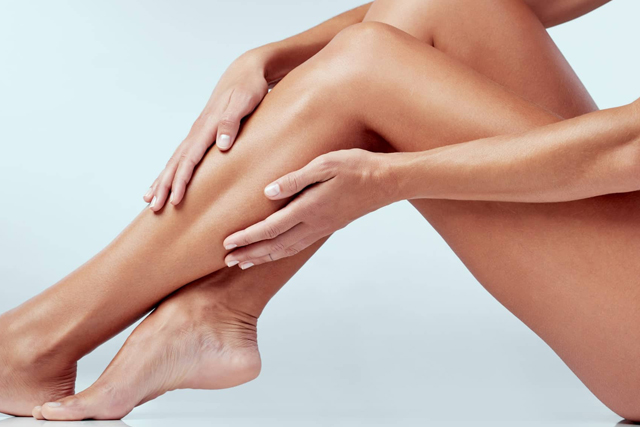




Leg waxing is a popular hair removal method that can leave your clients with smooth, hair-free legs for weeks. As a licensed esthetician, knowing how to perform this service effectively and efficiently is essential. In this guide, we’ll walk you through the steps to master the art of leg waxing.
Preparing for the Waxing Service
Consultation: Begin by consulting with your client to discuss their expectations, any allergies or skin sensitivities, and their previous waxing experiences. Review thoroughly their consultation form and be sure they sign a waxing waiver for each visit.
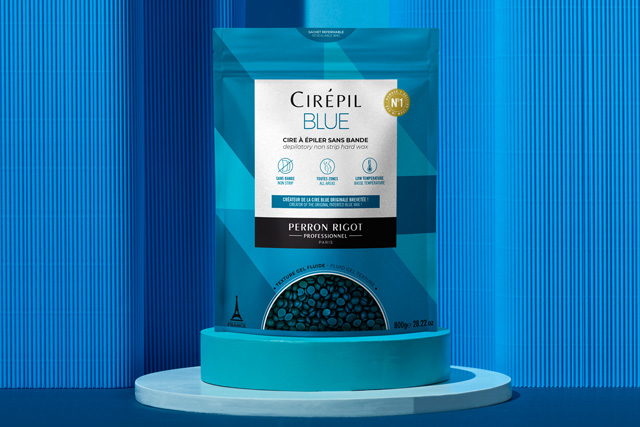
Skin Preparation: Cleanse the leg area using Cirépil Blue Lotion Cleanser to remove any dirt, oil, or lotion. A little goes a long way. Simply spray the cleanser on a cotton round or 4×4. While cleansing the skin, take note of the direct of hair growth. Map the area and have a clear plan of where the wax strips will be applied and in what order. For leg waxing, it is important to not stray from the plan. Worry about any hair that may be left behind at the end of the service to not waste time or lose your way.
After cleansing the skin, apply just a drop of the Cirépil Pre-Depilatory Oil with a cotton round or 4×4. Wipe the area with a tissue to remove excess oil residue.
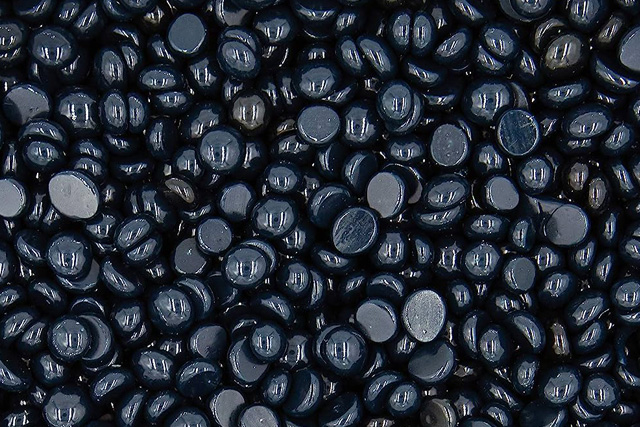
Choosing the Right Wax: Select a high-quality wax suitable for leg waxing. Cirépil sensitive skin line offers the newest technology and flexible strips that are sought after for leg waxing. Try Cirépil Cristalline or Fiorella hard wax beads. Or a strip wax which is cost effective like Cirépil Ease.
Wax Application
Temperature Check: Ensure the wax is heated to the correct temperature. It should be warm and spreadable, but not hot enough to cause burns. Cirépil wax is a low temperature wax applied just a few degrees above body temperature making it very comfortable for the client. Test the temperature on yourself and your client.
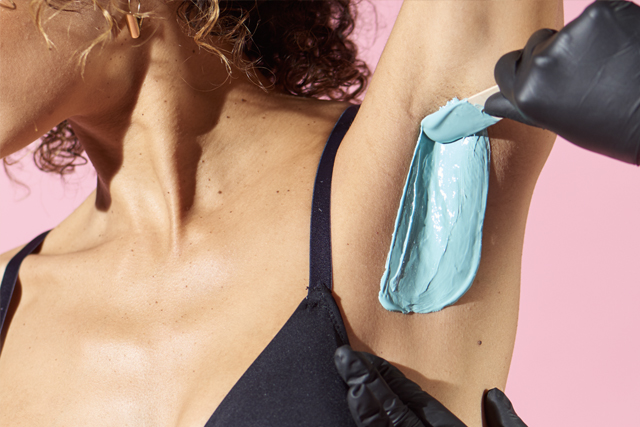
Application Technique: Using a spatula, apply a thin, even layer of wax with rounded edges in the direction of hair growth.
Remove the Wax: Remove the wax quickly against the direction of hair growth, keeping it close to the skin for clean removal. Be sure not to pull up, stay close to the body. If any hair is left behind, the pressure may not have been firm enough, the wax may have been too cool or too much oil may have been applied.
Post-Wax Care: Soothe the skin byapplying a soothing gel or lotion to calm the skin and reduce redness and inflammation, like Cirépil’s Post Refreshing Gel. Avoid products with harsh ingredients that may irritate the skin. Advise your client to avoid hot baths, saunas, and sun exposure for at least 24 hours after waxing to prevent irritation. Anything with friction or heat like running or biking should be avoided. Natural bodies of water should also be avoided until the skin looks back to normal to avoid infection or skin issues.
Final Tips
Always perform a patch test before waxing to check for any adverse reactions.
Educate your client on proper aftercare to ensure the best results and minimize the risk of complications, like exfoliating and moisturizing.
Practice proper hygiene and sanitation to maintain a safe and clean environment for your clients.
By following these steps and tips, you can provide your clients with a professional leg waxing experience that leaves them feeling confident and hair-free. Stay tuned for more expert advice on how to excel in the world of esthetics.